Multimodal Transport

Multimodal Transport
Multimodal Overview

Integrated Logistics — Multiple Modes, One Solution

Multimodal logistics

Combining Sea, Air, Road and Rail for Optimised Delivery

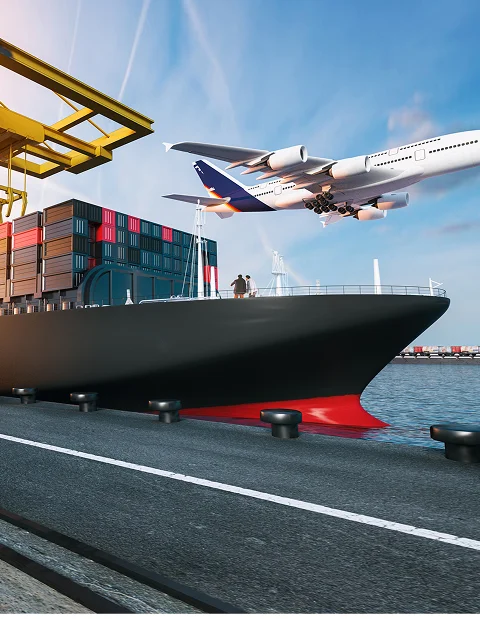
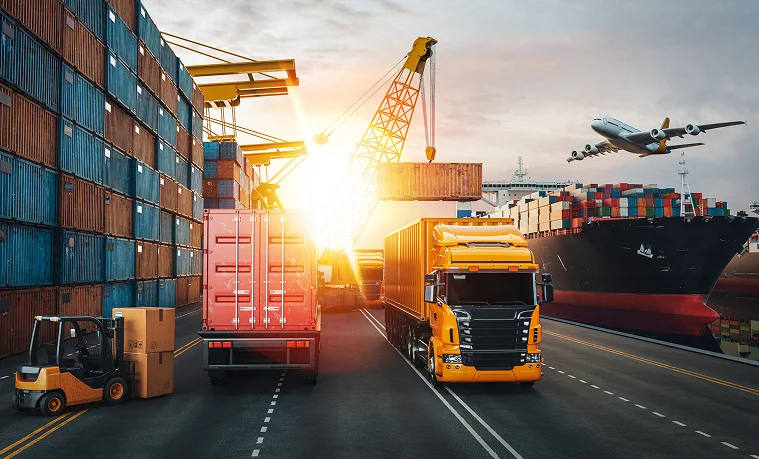
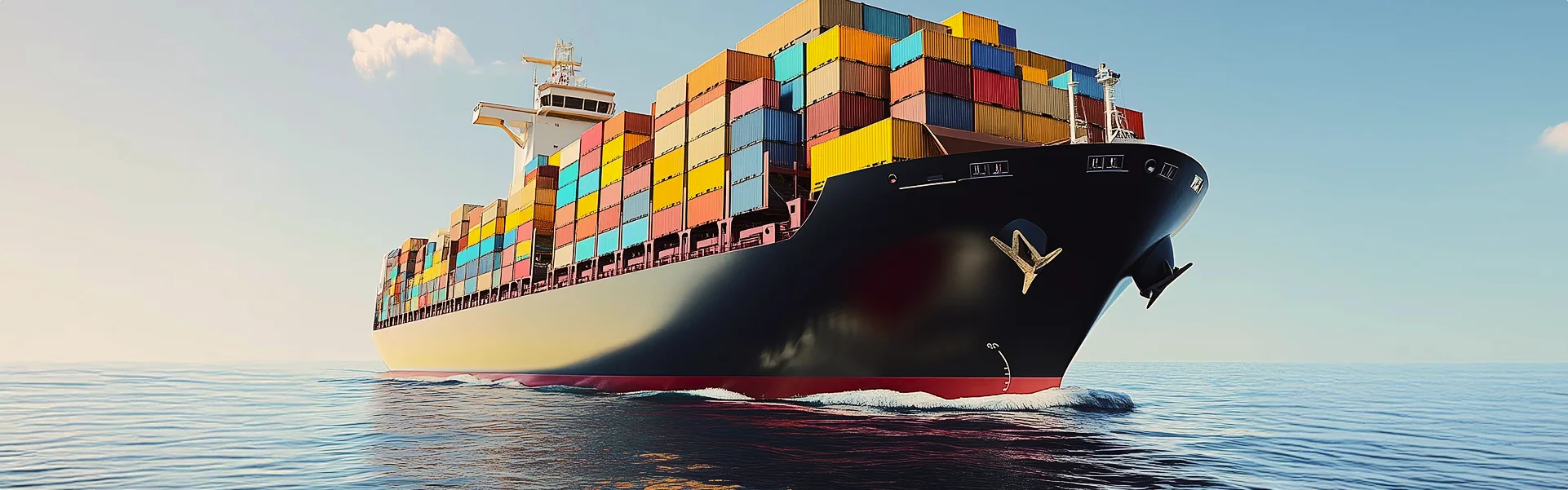
Multimodal transport uses two or more different modes of transport — ocean, air, road, and rail — under a single contract and single bill of lading. This integrated approach allows Marwest LLC to design the most cost-effective, time-efficient, and sustainable routing for your cargo, combining the strengths of each mode. A typical multimodal journey might use ocean freight from China to a major hub port, followed by road freight for final delivery.
Common Multimodal Combinations

Optimised Routes

🌊+🚛

Ocean + Road

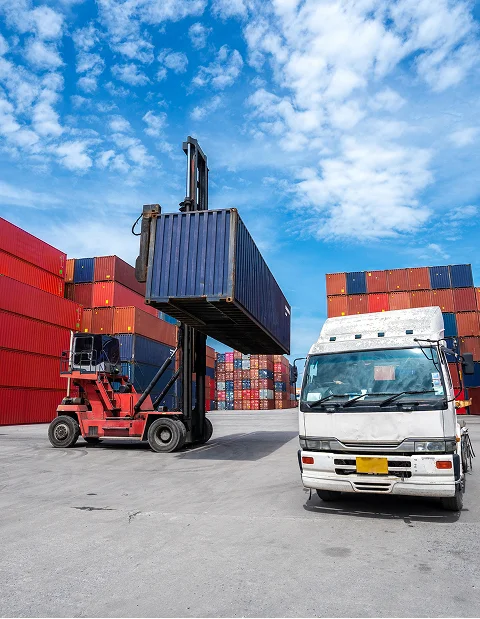
The most common combination. FCL ocean from China to destination port, then road freight to distribution centre or end customer.

✈️+🚛

Air + Road

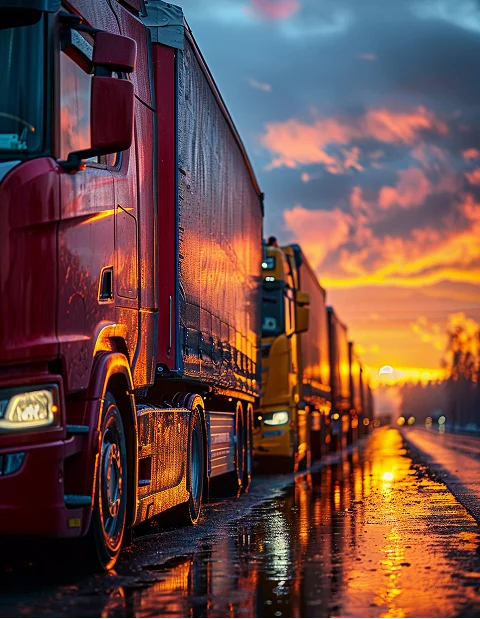
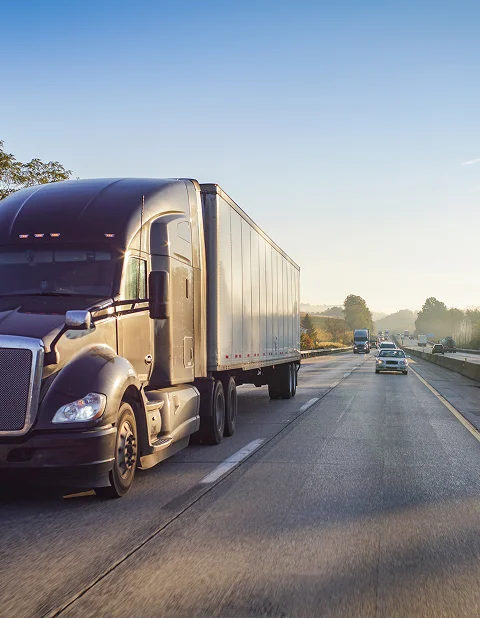
Time-critical cargo flown to hub airport, then expedited road transport to final destination.

🚂+🚛

Rail + Road

China–Europe rail to European gateway city, then road freight for final mile across the EU.

🌊+✈️

Ocean + Air

Bulk cargo shipped by ocean to a hub, then critical components flown ahead to meet production deadlines.

🚢+🚂+🚛

Ocean + Rail + Road

Sea freight to a transhipment port, then rail to inland hub, then road for final delivery.

🌍

Tailored Solutions

Every supply chain is different. We design bespoke multimodal solutions based on your specific cost, speed, and sustainability requirements.

How Multimodal Works

Under a Single Contract

1

Needs Assessment

We analyse your cargo type, volume, destination, budget, and lead time requirements.

2

Mode Optimisation

Our planning team designs the optimal combination of transport modes for your specific requirements.

3

Single Contract

You receive one quotation, one contract, and one invoice — regardless of how many transport modes are involved.

4

Seamless Handoffs

Our operations team manages every mode change — ensuring containers are transferred, documents pass between modes, and customs are managed at each border.

5

Single Bill of Lading

A Multimodal Transport Document (MTD) or Combined Transport Bill of Lading covers the entire journey.

6

End-to-End Visibility

Single tracking portal showing your cargo's position regardless of which mode it is currently on.

Benefits

Why Multimodal?

💰

Cost Optimisation

Combine the low cost of ocean freight with the speed of air for the segments that need it. Reduce overall logistics cost without compromising on delivery time.

Speed & Flexibility

Reroute individual legs when disruptions occur — if a port is congested, switch to air for that segment while the bulk cargo continues by sea.

🌿

Sustainability

Maximise the proportion of rail and ocean (lowest-emission modes) in your routing, minimising air freight use and overall carbon footprint.

Industries Served

Who Benefits Most

🏭

Manufacturing

Just-in-time manufacturers using air for critical parts and ocean for bulk materials.

🛒

Retail

Seasonal fashion: bulk ocean for early orders, air freight top-up for fast-replenishment SKUs.

⛏️

Mining

Mining projects using ocean for equipment and road/rail for remote site delivery.

💊

Healthcare

Pharmaceutical supply chains combining temperature-controlled air and cold-chain road.

Request a Multimodal Quote

Request a Quote Today

Get a competitive, no-obligation freight quote from our team within 4 business hours. We cover all cargo types, all origins, and all destinations.